Reflection of English 1302

Reflection of English 1302

Photo by Pixabay on Pexels.com

This semester in English 1302 I achieved many things that I did not achieve first semester. I have improved greatly in my writing over time and learned what to do and what not to do in professional writing. I enjoyed getting to learn about Hamilton because it became one of my favorite musicals (and I have most of the lyrics memorized) and enjoyed reading the Tempest because it was my first time reading Shakespeare. To improve as I student I would learn to do certain tasks beforehand to give myself more time for error instead of doing assignments 1 or 2 days before the due date.

This week in online class we worked on our second rough draft for the argumentative paper. My paper topic is over Hamilton and I had to find additional resources to add to my paper to further support my argument. I also had to reorganize my paragraphs to give my essay a better flow along with rewriting my They say and So what paragraphs.

This week with the COVID shutdowns, many states including Texas have been partially lifting certain restrictions on businesses. There has been plenty of rhetoric in the media about what is considered okay and not okay during quarantine. Many people have been trying to find evidence to support their decisions to not social diastase because of certain states reopening, however, the number and rate of COVID-19 cases and deaths are still increasing. Since last week many states have been reaching their highest number of cases and/or deaths related to COVID-19. In my everyday life most of my rhetoric is coming from social media discussing the virus, especially from teens my age trying to justify reasons they are breaking social distancing.

Visual Analysis | Rhetoric & Composition I
https://images.app.goo.gl/ExSYW44BhX4kvReU7

This image above is a rhetorical cartoon. This cartoon is showing someone making a speech at graduation while saying “As I Look To The Future..” while having a bag of money blocking the view, labeled “student debt”. This cartoon is representing how many people have spent a lot of money on loans to get an education and by the time they are finished they are being restricted by debt.


Rhetorical Analysis of one article you will use in your paper

Rhetorical Analysis of one article you will use in your paper

This week I noticed rhetoric in my everyday life through social media coverage discussing COVID-19. Many social media posts are either jokes about the virus, which is somehow looked upon as “lighting up the situation” or as not taking it serious. People are using rhetoric to either create panic, avoid the problems, or to give themselves entertainment. For instance, there was a “zoom raid” which resulted in random people joining zoom class discussions and screaming profanity, showing inappropriate images, etc. Overall this showed how the virus and quarantine is effecting everyone in general.

The image above reveals historical propaganda. Rhetoric was used to tell women that they were needed to work male dominated jobs during WWII. Rosie the riveter became a symbol that women are strong and equal as men. It also sparked the movement of women working male dominated jobs past the war and more women leaving the “stay at home mom” role.

This week in online class we have been working on our argumentative essay over “The Tempest” or “Hamilton”. The last assignment we worked on was creating our annotative bibliography which had 10 or more articles that would be good to use in our essay. One example of an article that I would use in my essay would be an article discussing how Hamilton is a legend in the field of the financial system. It uses rhetoric to reveal how Alexander Hamilton is considered a hero in some way, along with his success. It also supports my argument in a way to reveal how Hamilton’s part and childhood have also contributed to his success. The rhetoric overall addresses Hamilton and shows the audience how important Hamilton was and still is.

Rhetorical Analysis of one article you will use in your paper

Rhetorical Analysis of one article you will use in your paper

With COVID-19 shut downs there have been various forms of rhetoric in media coverage. There have been posts that induce panic and fear in people and also fake news being spread. For instance, there have been rumors of how the virus can be spread, who can receive it, and who is most likely die from the virus. However as time went on the fake news has been debunked by the CDC and other health organizations. There have been some changes since last week according to statistics that show that the COVID-19 peak was on April 11 and the number of new cases have gradually been decreasing showing that social distancing and self-quarantine is helping.

This week I noticed rhetoric in my every day life during Easter when my parents did an indoor Easter egg hunt. While completing the hunt me and my 2 sisters were counting our eggs and seeing who got the “special” eggs filled with money. After seeing the eggs, I noticed that I got $40 and one of my sisters got $5 and the other received none. I noticed rhetoric when my youngest sister started to be emotional and was upset because she received no money. This resulted in me giving her one of my $5 eggs to make her feel included in winning.

Photo by cottonbro on Pexels.com
Rhetorical Analysis Of Media - Lessons - Tes Teach
https://images.app.goo.gl/6rGW6CS6EeTrCWGx6

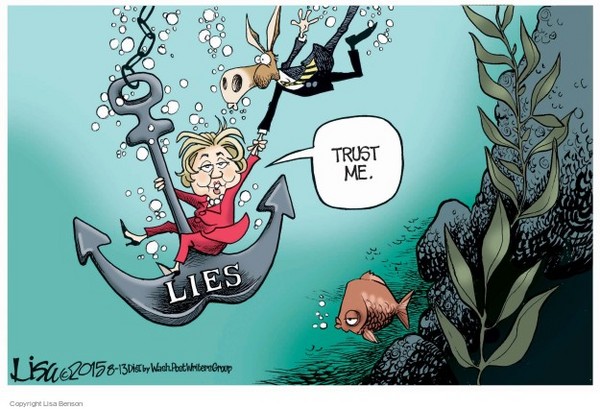
The rhetorical cartoon above shows Hillary Clinton on a anchor that is weighing her down labeled “Lies”. This cartoon is symbolizing how her lies in the past has weighed her down and is a reason why some people have not believed her in some instances.

The article I analyzed showed how Hamilton was a hero and describes how events and circumstances that he has encountered has made him the person that he was in the play, such as how he was an immigrant and struggled as a child. Rhetoric in the article appealed to the reader and established to the audience that the play was written in a way to make Hamilton be seen as a hero.

How is rhetoric in a proposal similar or different to that in a paper?

How is rhetoric in a proposal similar or different to that in a paper?

The image above reveals an advertisement from the 1950’s telling citizens to purchase fallout shelters. Fallout shelters were brought around due to the fear of not being safe in case of war.This advertisement appeals to the audience through logic and emotion. It induces fear and leads to people buying and building fallout shelters and appeals to the logic that fallout shelters are important to the safety of themselves and their family.

This week in “class” I have been working on the staging the tempest project and learning many new things about formally creating a proposal. I learned about how casting and costumes are selected for a show or movie and how much it costs along with how much costume designers are paid. I also learned how to correctly form a proposal to appeal to the audience.

This week I have noticed rhetoric on social media involving the coronavirus (COVID-19). Many social media posts tend to induce fear in the coronavirus which leads to panic. Generally, before professionals could make any claims, there were negative assumptions made about the virus that led to people cleaning out stores, leaving aisles empty. Since last week a lot has changed regarding the virus, The number of cases have went up dramatically resulting in the number of cases being more than 300,000. With the COVID-19 shutdowns, I’ve only been out of my house to take walks, check the mail, or occasionally get food from a drive through.

A proposal is very similar to a paper, especially a persuasive paper. In a proposal you are aiming to get something approved which is similar to a persuasive paper. For instance, in the staging the tempest proposal my team was proposing a TV show for the tempest using rhetoric to appeal to the audience. In a persuasive paper you would be convincing the audience to agree with you about a certain topic or belief.

Photo by JESHOOTS.com on Pexels.com
Rhetoric in the Tempest part three

Rhetoric in the Tempest part three

Image result for historical propaganda
Image result for historical propagandahttps://images.app.goo.gl/m5NZxMQtKAAnnpRd8

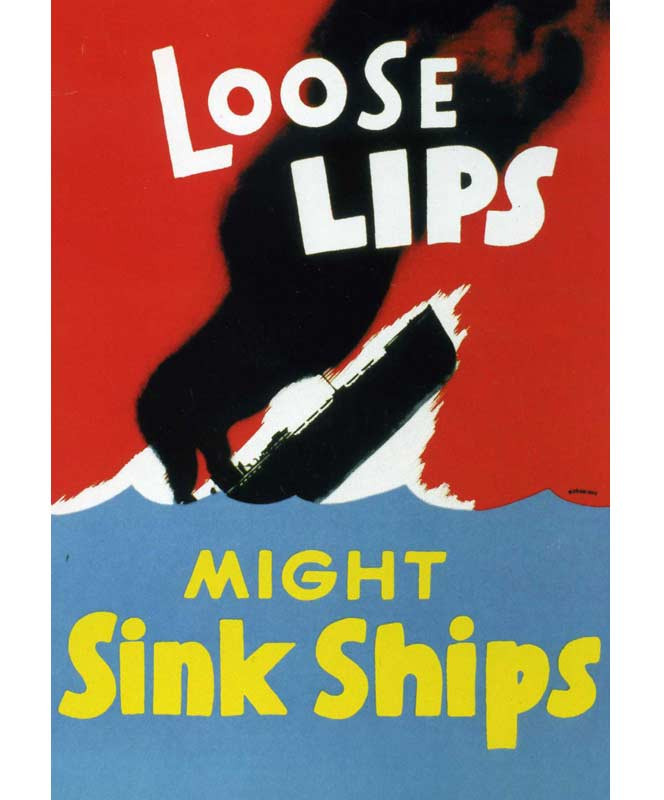
The image above is an example of historical propaganda and it is using rhetoric to convince the audience to stay quiet about insider information. The saying “Loose Lips, Sink Ships” is telling the audience that not being careful about what you say, can lead to serious consequences. This form of propaganda uses emotional and logical appeals to connect to the audience.

Since school has be postponed until further notice because of the coroavirus (COVID-19), this week I have learned new information about the coronavirus and the Tempest. I have learned that the CDC and WHO both stress social distancing along with self-quarantine during this time of crisis. This is because these two things will help reduce the spread of the virus and help speed the process of finding a working vaccine. The CDC and WHO have used logos to persuade people to be cautious and thoughtful about their actions. This relates to the Tempest because, it shows isolation in comparison to how many of the characters in the play are isolated from society.

After analyzing the final acts of the Tempest I have noticed many things. All of the characters of the play were all on stage for the first time ever and Prospero gives forgiveness to Alonso and Antonio after such a long time. In act 5 scene 1, Prospero states “my charms crack not, my spirits obey” by this Prospero is saying that he is at the highest point of his power and what he does next will be of upmost importance. Prospero also states, ” the rarer action is in virtue, than in vengeance” he is stating that he is choosing forgiveness over revenge or trying to punish those who have done him wrong. Along with this quote alliteration is seen through the letter “v”.

This week I noticed rhetoric in my life through memes about the coronavirus. On the social media platform, TikTok, I saw a video about a girl convincing her mom to go to her best friend’s house. However, her mom said no and explained why social distancing is important. She did this through the use of pathos, logos and ethos , by using facts from trusted health officials and her own concern for her daughter to keep her safe.

Image result for coronavirus memes
https://images.app.goo.gl/jF1Q7gRMsCCm23cL8


Rhetoric in The Tempest part two

Rhetoric in The Tempest part two

This week I noticed rhetoric in the media through information about the coronavirus (COVID-19). Many social media platforms discussed how the coronavirus is affecting many people, and what people should do to prevent the spread of the disease. This emotional appeal that is being distributed has caused havoc among many people. For instance, many people are buying a year supply of toiletries and food at a time that is not needed. This type of rhetoric could eventually cause worse panic.

The picture above shows historical propaganda that was used during WWII. This was used to caused fear or suspicion among people in the military to be careful about what they said or who they are saying it to. This is because the enemy (Germany) could be listening to their plans or inside information.

This week in class we read acted out segments of acts 3-4 of “The Tempest” and read the acts in parts. After reading the acts, the class wrote discussion questions and discussed as a group what we wondered about the Tempest or anything that was confusing to us as a whole. We also answered our classmates discussion questions and discussed our viewpoints on certain events that occurred in the play.

After reading and analyzing acts 3 and 4 of “The Tempest” I noticed many uses of rhetoric. While analyzing the uses of rhetoric I noticed how Stephano and Trinculo persuaded Caliban to be his loyal servant. Along with this I noticed rhetoric along Miranda and Ferdinand’s love story. The romance throughout this act shows how Shakespeare used emotion to show the audience how the two characters have grown.

Rhetoric in The Tempest part one

Rhetoric in The Tempest part one

Photo by Mike on Pexels.com

After reading acts 1 and 2 of “The Tempest” I have noticed many uses of rhetoric. In act 1, Shakespeare used alliteration through the phrase “Full fathom five thy father lies” which repeats the letter “F” through line 474. Similes are also used in act two. For instance, in scene 1 it states “He receives comfort like cold porridge” which is comparing comfort and cold porridge which would be considered a”comfort” food. Finally, personification is also used in the tempest. Boatswain stated, “Do you not hear me? You mar our labor. Keep your cabins. You do assist the storm” (1.1 13-14). Through this act of personification, by saying “You do assist the storm” Boatswain is giving the storm human-like attributes because it can “receive” help.

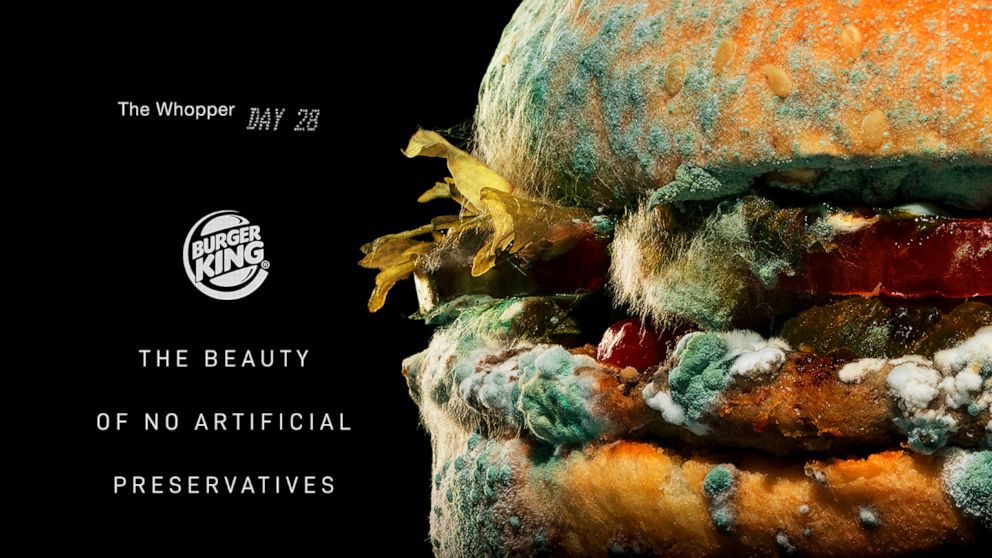
This is a Burger King advertisement that recently released that has plenty of rhetoric. This advertisement is showing a moldy burger along with a statement “The beauty of no artificial preservatives”. This was done to show the audience that Burger King’s burgers have no substances that prevent their food from degrading. This is compared to McDonald’s burgers which have multiple videos of their food not molding over a large period of time. This Burger King advertisement establishes credibility because it allows the audience to trust the food that they are willing to purchase.

Image result for gabriel fernandez documentary
https://images.app.goo.gl/aSfcUqQZxC34BP3J7

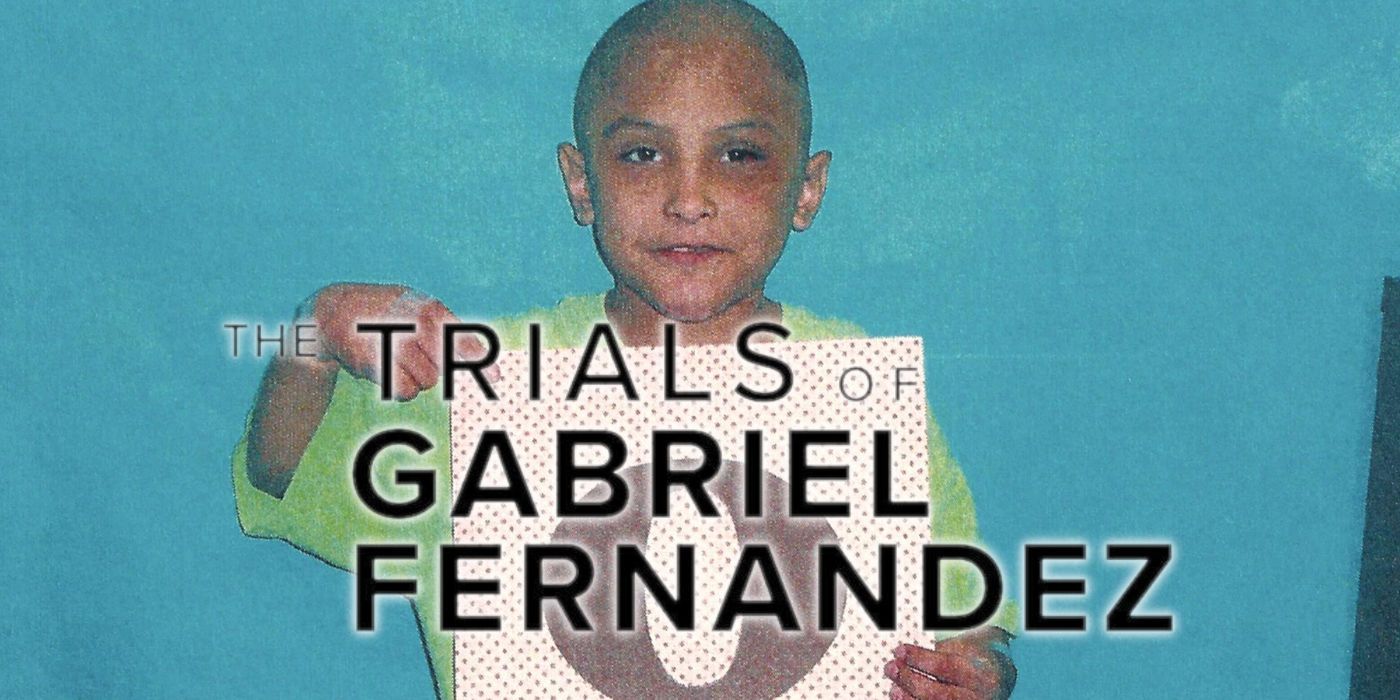
This week I noticed rhetoric in my everyday life through the documentary about eight year old Gabriel Fernandez. This documentary uses facts, data, and accounts from credible people to establish ethics. This documentary also uses accounts from family members and people closely related to the case to establish emotion. Without giving spoilers, this documentary has great amounts of rhetoric which shows why this is the #1 documentary in the United States on Netflix.

This week in class we acted out segments from act 1 and 2 of the tempest along with reading the acts in parts. After the readings were done and everyone wrote discussion questions, the class as a whole discussed what we discovered and our thoughts. One example would be discussing the language Shakespeare used and how it is viewed in modern times.

Plagiarism and Academic Honesty

Plagiarism and Academic Honesty

Photo by Pixabay on Pexels.com

Plagiarism is the act of taking someone else’s work and claiming them as your own and there are many different ways to plagiarize, One common way of plagiarizing is not citing where you get your sources from or citing the wrong way. Another way can be reusing your own work for a different assignment, which is known as “Self-Plagiarism”. Academic Honesty is the act of showing the highest integrity in any and all academic work you complete. Plagiarism is apart of academic honesty because it relates to your academic character. By properly citing your work and avoiding plagiarism, you are showing the highest aspect of academic honesty.

In class this week we discussed rhetoric in the music video ” Immigrants (We get the job done)”. In the music video that class analyzed how the message was perceived and what elements such as lighting and words help the message be displayed to the audience. For instance, throughout some scenes of the video, the lighting would change from dark to light and vice versa. This helped establish emotion to the audience because of the setting. My point of view of the music video noticed how things that are familiar to many people also help establish an emotional appeal.

This week I noticed rhetoric in my everyday life through watching the documentary about Aaron Hernandez. Throughout the documentary, many different people were speaking on the situation involving Hernandez. An emotional appeal was given to the audience by speakers that were defending Aaron and wanted to show the audience that he was innocent. However, lawyers and investigators used facts and evidence to persuade the audience that Aaron was guilty which was an appeal that worked more than the emotional appeals.

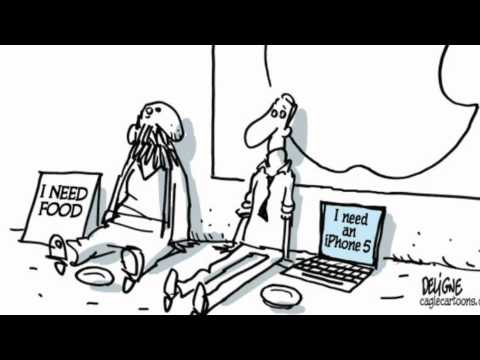
In this cartoon you can see a homeless person that has a sign asking for food and a person that has money asking for an iPhone 5 which is displayed on a laptop. By analyzing this rhetorical cartoon, I noticed that the message given is showing how people that do not need things such as a new phone are taking away from people that need essential necessities such as food. It is also showing how people take these necessities for granted and don’t appreciate them.

Rhetoric in Hamilton

Rhetoric in Hamilton

Photo by Pixabay on Pexels.com

The musical, Hamilton, created by Lin-Manuel Miranda, includes many uses of rhetoric throughout the writing. Rhetoric is the use of effective or persuasive writing/speaking that can be used through figures of speech or other techniques. Many uses of rhetoric in Hamilton would include repetition, alliteration, emotion, and rhyme. Repetition is a widely used rhetorical device shown throughout Hamilton. For example, it is used in the song “My Shot”, when Hamilton is expressing how he will never give up his shot to prove himself. Rhyme is also used frequently, especially in the few opening songs of the musical. In the song “Alexander Hamilton” and “Aaron Burr Sir” rhyme is seemed to be used to establish a form of ground excitement for the rest of the musical.  My favorite form of rhyme in this musical would be found in the song “Alexander Hamilton”, this is because I can establish how the song relates to history itself.

This week in class we discussed the use of rhetoric in Hamilton and how it contributed to the musical itself. Throughout Hamilton emotion was frequently used to persuade the audience to think about a character a specific way. For instance, how emotion was used to persuade the audience to feel a certain way about Hamilton after he cheated on Eliza.

This week I have noticed the use of rhetoric in my everyday life. While in Waco for a SkillsUSA competition, a guest speaker was talking during the Opening Ceremony. He was mentioning his journey through high school and college and how SkillsUSA impacted him. I noticed rhetoric in his speech when the speaker was convincing the audience to stay in SkillsUSA and to keep the journey going through college.

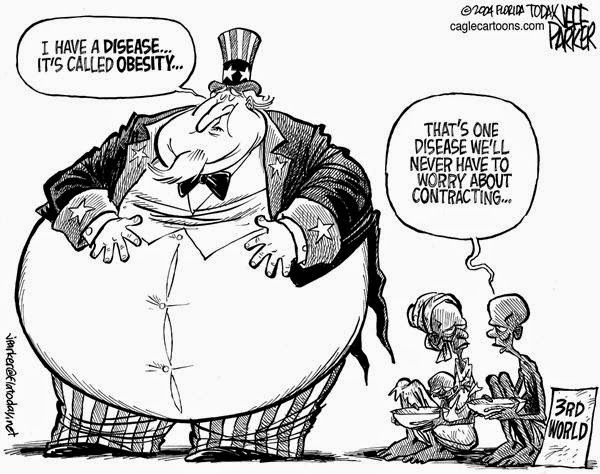
In this political cartoon rhetoric is used to provide the overall message. The rhetorical device used would be emotion which is used to show the audience the difference between rich and poor countries. As seen in the cartoon, you have an overweight man and 2 malnourished people labeled under “3rd world”. The malnourished people are saying that obesity is a disease they will never have to worry about, which is because these countries have economic deficiencies which result in the lack of money for food.

Ethos, Logos, and Pathos

Ethos, Logos, and Pathos

Photo by Pixabay on Pexels.com

Rhetorical appeals are methods of persuasion, which would be known as Ethos, Logos, and Pathos. Ethos, which appeals to ethics, allows the author to persuade the audience through their credibility. For instance, an article written by a doctor to persuade minors to stop vaping would use ethos. The reason for this, is doctors have credibility which would have a better way to convince the audience. Logos is the use of facts to persuade the audience, which could be the use of statistics in an advertisement. Finally, Pathos appeals to the emotion of the audience, which would be using a convincing, personal story to appeal to the audience. Each of these methods of persuasion is used in various ways and are seen in our everyday lives.